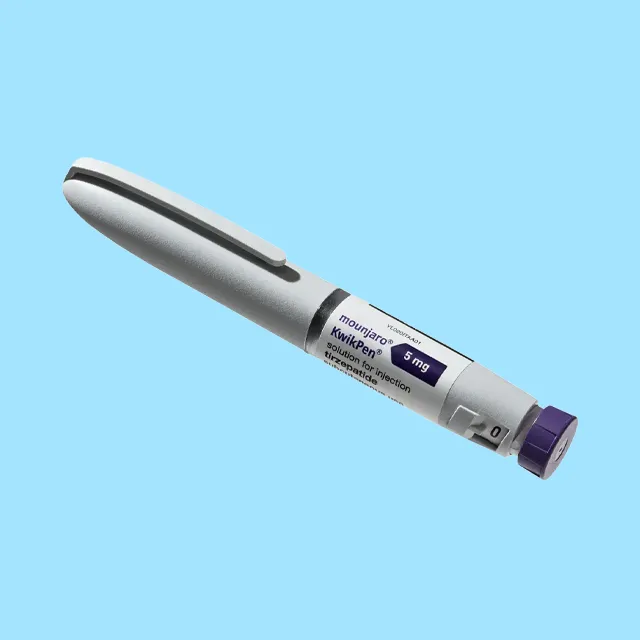
Medications
How tirzepatide works: GIP vs GLP‑1 explained (and why ‘dual’ matters)
Tirzepatide targets both GIP and GLP‑1 pathways. Here’s what that means for appetite, blood sugar, and why it differs...

Well Revolution
February 5, 2026
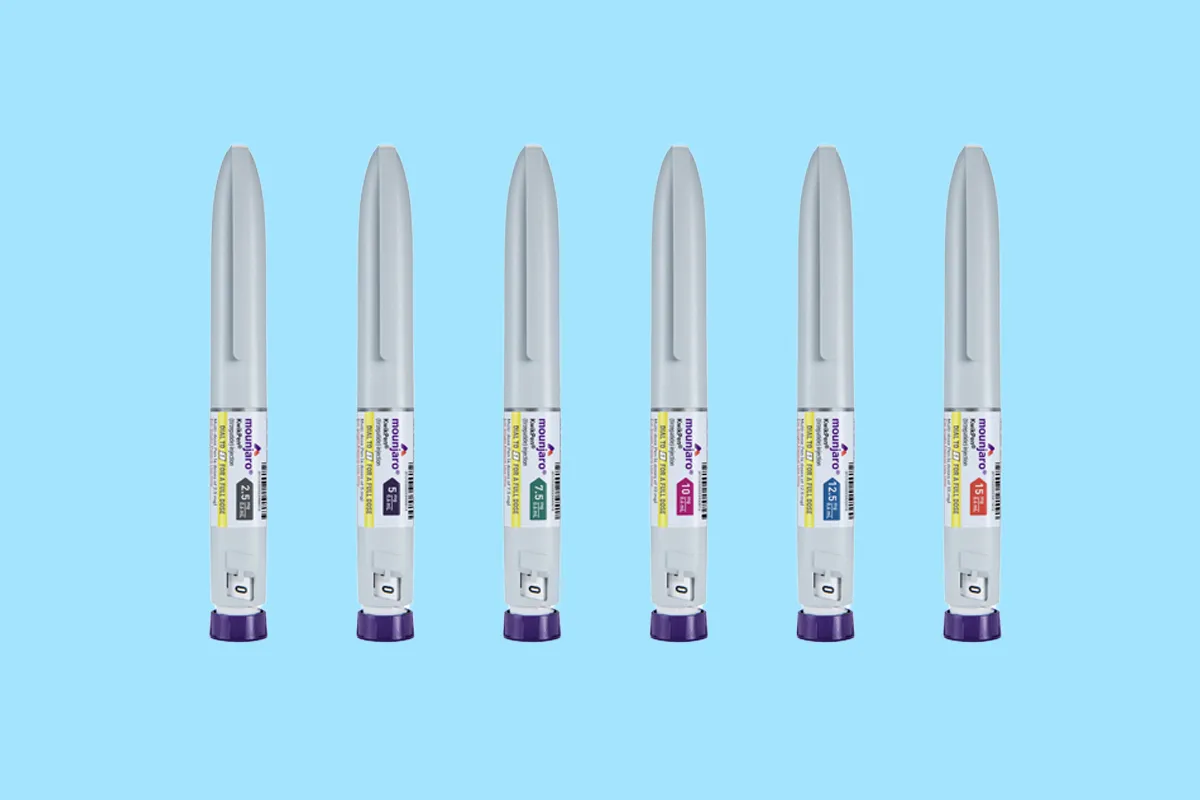
Tirzepatide targets both GIP and GLP‑1 pathways. Here’s what that means for appetite, blood sugar, and why it differs...

Tirzepatide is often described as a “dual incretin” medicine because it activates two hormone pathways involved in appetite and glucose regulation: GIP and GLP‑1.
Many people notice earlier fullness, fewer cravings, and a quieter ‘food noise’ effect. That makes it easier to sustain a calorie deficit without white‑knuckling hunger.
Because these pathways affect the gut and stomach emptying, nausea, constipation, and diarrhoea are common, particularly when starting or increasing the dose. This is why titration matters.
The best outcomes usually come from combining medication with nutrition, activity, and follow‑up. Medication helps you do the work, it doesn’t replace it.
Concerned, need advice, a prescription, refill or referral?
Chat with a GP now