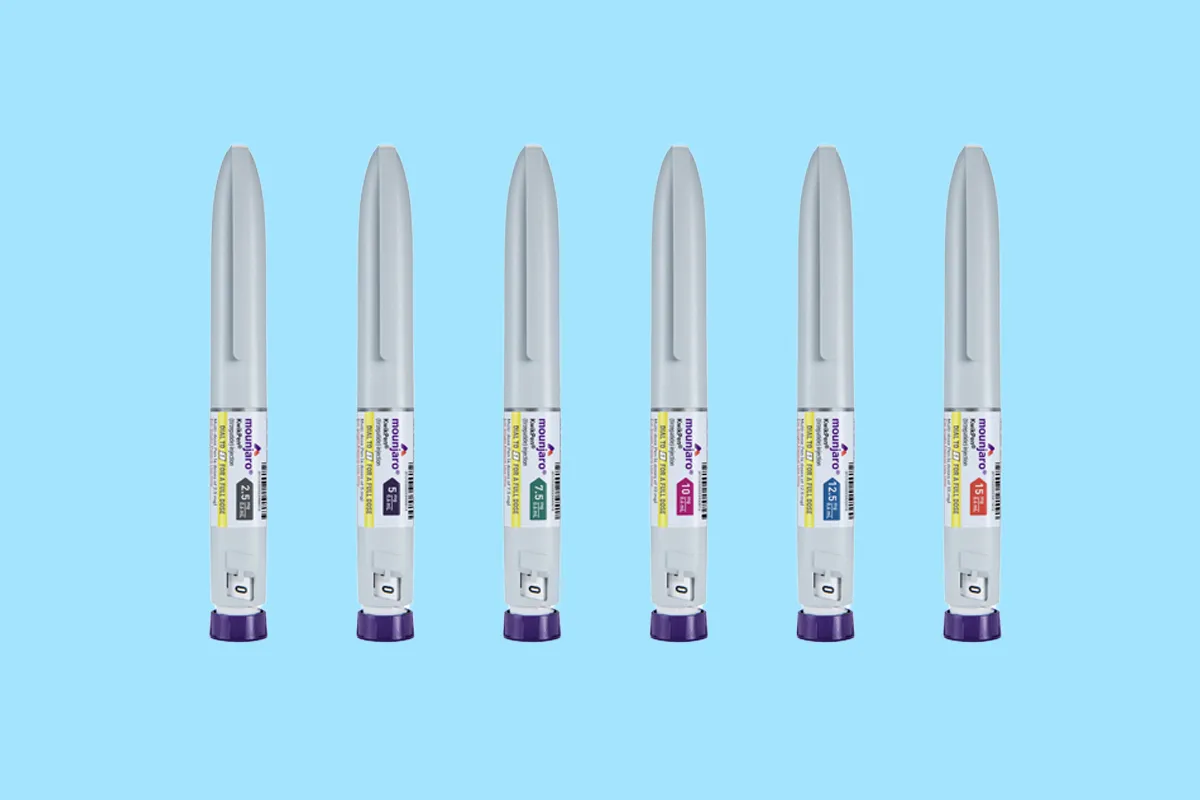
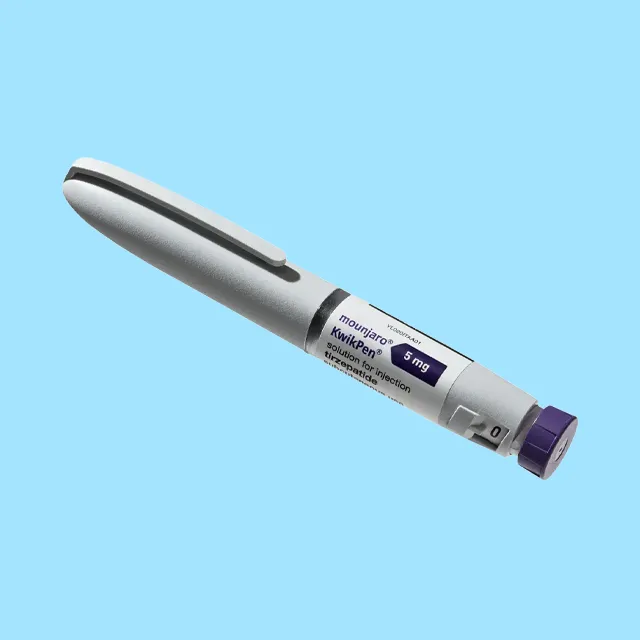
Practical, clinic-tested ways to settle the two most common side effects, and the warning signs that need a doctor
Most people tolerate the weekly weight loss injections well, and the newer medicines are gentler than the older daily ones. But two side effects come up again and again: nausea, especially in the early weeks and after dose increases, and constipation, which can quietly persist long after everything else has settled. Both are very manageable once you know the playbook, and managing them well is the difference between a rough start and a comfortable one.
Why do these medicines cause stomach symptoms at all?
Wegovy (semaglutide) and Mounjaro (tirzepatide) slow how quickly your stomach empties and act on appetite centres in the brain. That is part of how they help you eat less, but it is also why food can sit heavier, why big or rich meals can backfire, and why your bowel habit changes. Symptoms are most common when you start and for a week or two after each dose increase, and they usually settle as your body adapts.
What helps nausea?
- Eat small amounts regularly. An empty stomach makes nausea worse, and so does a large meal. Three small meals a day, with something in the first few hours after waking, is the single most effective change. Many people who feel sick are people who have stopped eating until dinner.
- Avoid the common triggers. Fatty, fried, very rich or very sweet foods, large drinks with meals, fizzy drinks, strong smells, and alcohol on an empty stomach are the usual suspects. Cold, plain and dry foods (crackers, toast, yoghurt, fruit) tend to sit best on rough days.
- Slow down. Eat slowly and stop at comfortable, not full. Fullness signals arrive earlier now.
- Stay hydrated in sips. Small, frequent sips of water or electrolyte drink beat large glasses. Ginger tea helps some people.
- Use a shake on bad days. If solid food will not go down, a protein shake or meal replacement drink keeps your nutrition up without challenging your stomach. Our guide on how to eat on a weekly injection has a full eating pattern.
- Do not race the dose up. Dose increases are meant to happen only when you are tolerating the current dose well. Staying longer at a lower dose, or stepping back one, is a normal and sensible move, and it is one to make with your care team rather than alone. The lowest dose that is working is a good dose.
- Ask about anti-nausea options. If nausea is persistent despite all of the above, talk to your care team. Short-term anti-nausea medication is sometimes appropriate while your body adjusts.
Nausea that keeps settling and flaring with each dose step is common. Nausea with repeated vomiting, inability to keep fluids down, or weight falling very fast is not; contact your care team.
What helps constipation?
Constipation deserves more respect than it gets. It is the side effect most likely to still be around months into treatment, because you are eating less overall, often more protein, sometimes taking iron, and your gut is moving slower. The clinic rule: manage it early and consistently, not reactively after a miserable week.
- Fluids first. Aim for regular water through the day. Dehydration is the fastest route to hard stools.
- Fibre every day. Vegetables, fruit, legumes, grainy bread, kiwifruit (genuinely evidence-backed for constipation, and conveniently local). A fibre supplement such as psyllium (for example Metamucil) helps many people; build it up gradually with plenty of water.
- Move. Even daily walking stimulates the bowel.
- Use a gentle laxative regularly rather than rescuing. If diet and fluid are not enough, an osmotic laxative from the pharmacy, such as a macrogol (for example Molaxole) or a magnesium-based product, works well on these medicines. The key is regular, steady use at the lowest dose that keeps you comfortable, agreed with your pharmacist or care team, rather than letting things build up for four days and then taking a big dose. If you are managing well going once a day with one sachet at night, keep that rhythm.
- Do not ignore it. Untreated constipation on these medicines can become severe. One trap worth knowing: watery diarrhoea after days without a proper bowel motion can actually be overflow around a blockage, not a cure. If that pattern appears, or you are getting significant pain or bloating, contact your care team promptly.
When is it more than a side effect?
Stop the medicine and seek medical help promptly if you get severe or persistent abdominal pain, especially pain boring through to the back with or without vomiting. Rarely, these medicines are associated with pancreatitis and gallbladder problems, and severe pain is never something to wait out. Signs of dehydration (dizziness, very dark urine, faintness), persistent vomiting, or a bowel that has stopped completely also warrant same-day advice. For everything else, message us early rather than suffering quietly: dose pacing, eating pattern and bowel care solve the great majority of symptom problems.
This article is general information, not personal medical advice. Your dosing decisions always sit with you and your prescriber, and the data sheets for both medicines carry the full side effect lists.
Existing members: side effects bothering you? Log in at member.wellrevolution.com and start a priority chat; we can usually sort a plan the same day.
New to Well Revolution? Start an online weight management assessment with one of our NZ-registered doctors.
References
- Wegovy New Zealand data sheet. Medsafe. Link
- Mounjaro New Zealand data sheet. Medsafe. Link
- Gorgojo-Martínez JJ, et al. Clinical recommendations for the management of gastrointestinal adverse events in patients treated with GLP-1 receptor agonists. Journal of Clinical Medicine. 2023;12(1):145. Link
- Wharton S, et al. Gastrointestinal tolerability of once-weekly semaglutide 2.4 mg in adults with overweight or obesity, and the relationship between gastrointestinal adverse events and weight loss. Diabetes, Obesity and Metabolism. 2022;24(1):94-105. Link
- Medsafe. Glucagon-like peptide-1 receptor agonists: stay hydrated. Prescriber Update. June 2025. Link
- Gearry R, et al. Consumption of 2 green kiwifruits daily improves constipation and abdominal comfort: a randomised controlled trial. American Journal of Gastroenterology. 2023;118(6):1058-1068. Link