Medications
What are “research peptides”, and why the disclaimer does not protect you
Research purposes only is a legal fiction, not a safety standard. What research peptides are and what NZ law says.

Well Revolution
September 20, 2026

Research purposes only is a legal fiction, not a safety standard. What research peptides are and what NZ law says.

Search for weight-loss peptides online and you will find a thriving marketplace with a strange vocabulary. Everything is a "research compound". Nothing is for human use. Every listing carries a disclaimer, and every buyer knows exactly what the products are really for, because the sellers make sure they do.
This article explains what peptides actually are, what the "research purposes only" label really means, and why, in New Zealand since December 2025, the disclaimer protects the seller's marketing and nothing else. Least of all you.
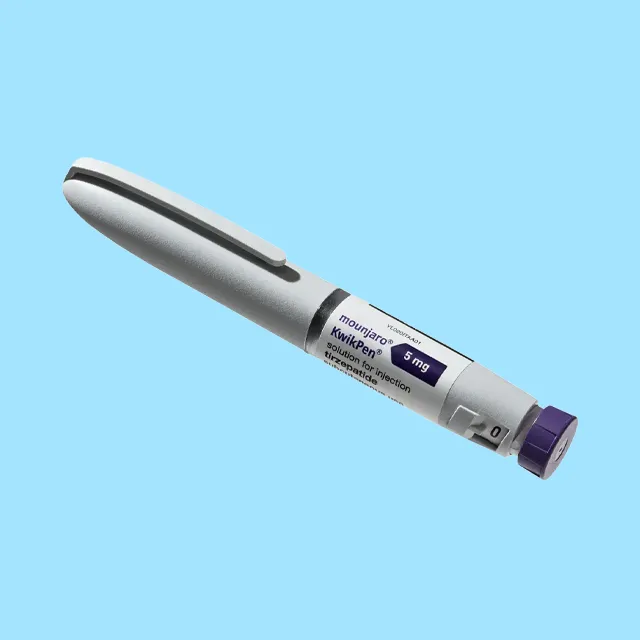
A peptide is a short chain of amino acids, the building blocks of proteins. Your body makes thousands of them; many hormones are peptides. Some of the most effective modern medicines are lab-made peptides, including semaglutide (Wegovy) and tirzepatide (Mounjaro), the weight-loss injections a doctor can legally prescribe in New Zealand today.
So "peptides work" is not a myth. The problem is a bait and switch: the science behind approved, regulated peptide medicines gets borrowed to sell unregulated powders from anonymous suppliers. Same word, entirely different product.
The names in the grey market cover a spectrum. Some, like tirzepatide, are real prescription medicines here. Some, like retatrutide, are genuine experimental medicines still in clinical trials and not approved by any regulator in the world. Others, like BPC-157, GHK-Cu or Melanotan II, have never completed the clinical development needed to become medicines at all. In the black market they are all sold the same way: as powder in a vial, for you to mix and inject yourself.
Nothing, legally, when the product is being sold for people to use. That is not our opinion; it is Medsafe's position, stated plainly in Re: News' 2026 investigation into the New Zealand peptide trade: any product sold for a therapeutic purpose is a medicine, and it is unlawful to sell peptides without authorisation. A disclaimer does not change what the transaction obviously is.
Think about what the label would mean if it were true. Legitimate research chemicals are sold to institutions, with quality certificates, controlled shipping and paperwork. They are not couriered to your letterbox after a social media conversation, with dosing tips available on request. The disclaimer exists for one reason: to give the seller a story. It transfers all of the risk, legal and medical, to you.
The rules tightened while the market was booming. Since December 2025, many peptides sold in this trade have been classified as prescription medicines. That means importing, selling or possessing them without authorisation can breach the Medicines Act 1981. The Re: News investigation showed how openly the trade still operates regardless: a $200 vial of retatrutide powder, delivered to a suburban Auckland street 42 minutes after first contact.
The law is not chasing the people who bought out of desperation; enforcement attention focuses on the trade. But it does mean the products themselves sit outside every protection New Zealand builds around medicines: no licensed manufacturer, no batch testing, no pharmacist check, no recall system, no accountability when something goes wrong.
This is the finding that should stop anyone mid-purchase. The NZ Drug Foundation, which runs the country's free drug-checking service and now fields peptide enquiries daily, tested black-market peptides and the results were inconclusive. Their checks detected the general signature you would expect from peptides, but could not confirm which peptide a sample actually contained, or rule out concerning contaminants.
Sit with that. The organisation whose job is telling New Zealanders what is in their drugs could not verify these products. The seller certainly has not. So a buyer is injecting a substance of unknown identity, unknown strength and unknown sterility, on the word of an anonymous supplier whose only credential is a disclaimer.
And the risks stack from there. No assessment has checked whether these medicines are safe for your body, your conditions, your other medicines. No one is monitoring for side effects. The dose is whatever you measure out yourself, guided at best by a chatbot. Every step that protects you in real healthcare has been deleted, and nothing has replaced it.
Retatrutide, the drug in that $200 vial, is a real and genuinely promising experimental medicine. In its phase 3 trial programme, published through 2026, it produced some of the largest weight reductions ever recorded for a medicine. It is also unfinished: it is not approved anywhere in the world, its maker does not expect to even file for its first approval until 2027, and trial participants take it under close medical supervision with every batch pharmaceutical-grade and verified.
None of that applies to a vial from social media. Whatever is in it, it is not the trial medicine, and nobody can tell you what it is. We cover the full story in Retatrutide in New Zealand: what it is, what the trials show, and why you cannot buy it yet.
The regulated system is not perfect, but every layer of it exists because someone was once harmed without it. A legitimate path to weight-loss treatment in New Zealand looks like this: an assessment by an NZ-registered clinician who can say no, a Medsafe-approved medicine made by a licensed manufacturer, dispensed by an NZ pharmacy in its original packaging, with follow-up care and a complaints system if anything goes wrong.
If you have already bought or used black-market peptides, no judgement. The NZ Drug Foundation's drug checking clinics are free and confidential, and telling your doctor what you have taken is safe and worth doing. If money is the barrier to doing this properly, say so out loud to a clinician; that conversation is far more common than you think, and there are more options than the black market. Start with our complete guide: Weight-loss injections in New Zealand.
This article is general information, not personal medical advice. Your own treatment decisions always come from your prescriber.
Existing members: log in at member.wellrevolution.com and start a priority chat any time you need us.
New to Well Revolution? Start an online weight management assessment and one of our NZ-registered doctors will review whether treatment is right for you.
Concerned, need advice, a prescription, refill or referral?
Chat with a GP now