Medications
Planning a pregnancy on weight loss medication: contraception, fertility and timing
Wegovy and Mounjaro in pregnancy. NZ guidance on contraception and how long to stop before conceiving.

Well Revolution
August 26, 2026
Wegovy and Mounjaro in pregnancy. NZ guidance on contraception and how long to stop before conceiving.

If you are taking Wegovy or Mounjaro and pregnancy is possible for you, this is one of the most important practical topics in your whole treatment, for two reasons that catch people out. First, these medicines must not be used during pregnancy. Second, and less well known: your fertility often rises as your weight falls. Put those together without a plan, and the risks stack up quietly. With a plan, none of this is complicated.
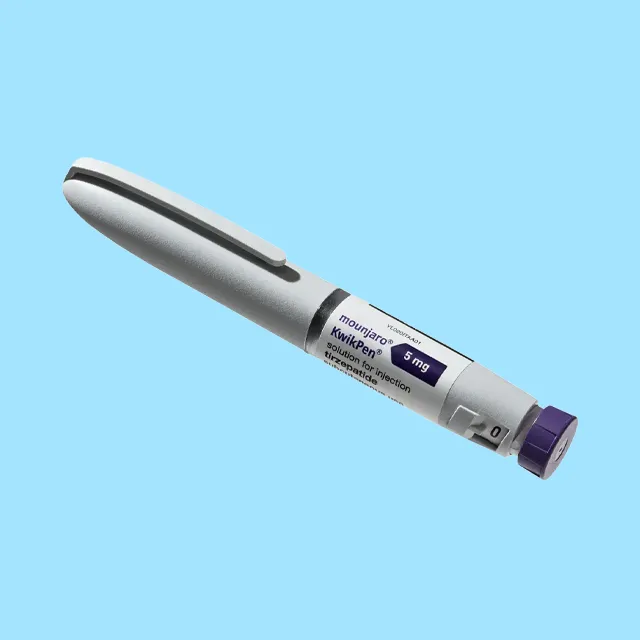
Neither Wegovy (semaglutide) nor Mounjaro (tirzepatide) has been established as safe in human pregnancy, and animal studies have shown harm to the developing baby. The New Zealand data sheets for both medicines are unambiguous: they should not be used during pregnancy, and anyone who could become pregnant should use contraception while on treatment. This is also why treatment courses come with a conversation about contraception at the start, not because pregnancy on these medicines is common, but because the stakes are high enough to plan properly.
Excess weight suppresses fertility for many people: cycles become irregular, ovulation less reliable. As weight comes off, that reverses. Periods regularise, ovulation returns, and people who have not conceived in years, sometimes people told they were unlikely to conceive at all, become fertile again without noticing the change.
In clinic, the classic story is "I never fall pregnant, so we were not careful." Take the improving fertility as the good news it is, and pair it with reliable contraception until you actually want to use it.
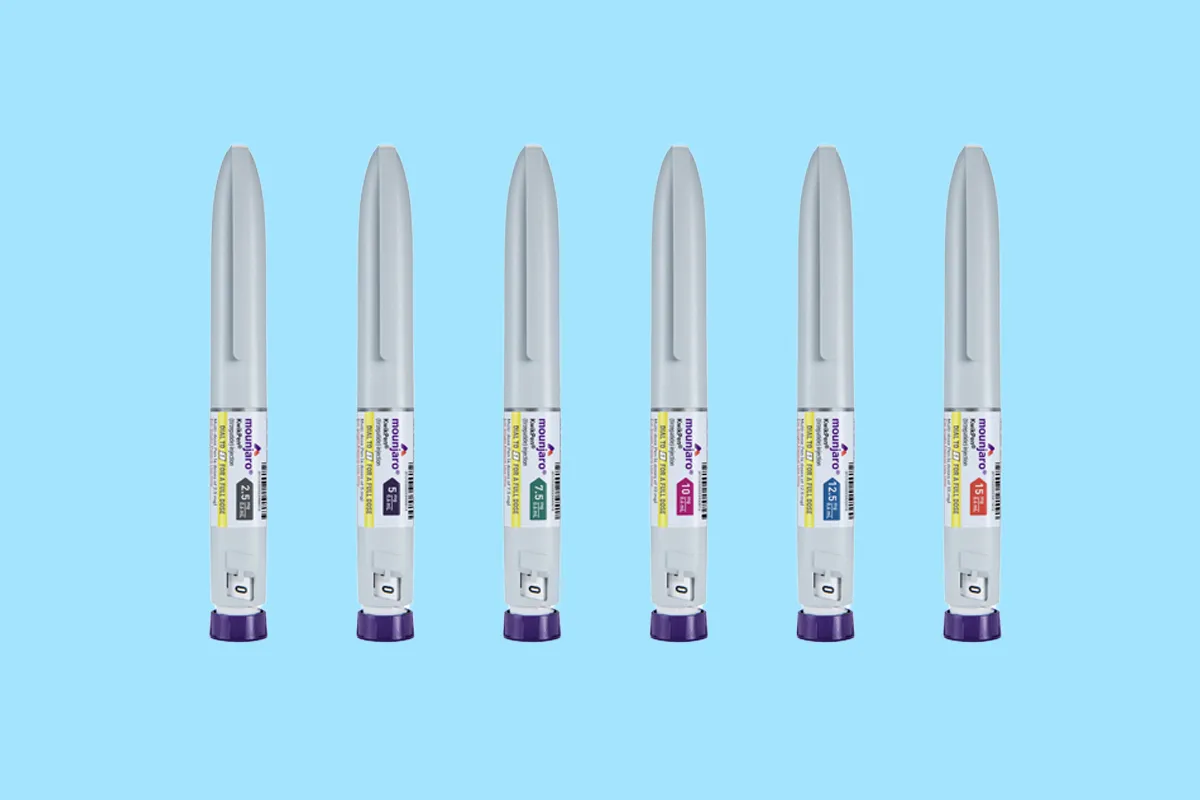
There is a specific interaction to know about. Mounjaro slows stomach emptying, and the data sheet reports it can reduce the absorption of oral contraceptive pills, most markedly when you start and each time your dose steps up. The official NZ advice: switch to a non-oral contraceptive method, or add a barrier method (condoms), for 4 weeks after starting Mounjaro and for 4 weeks after each dose increase.
Non-oral options unaffected by this interaction include the IUD (copper or hormonal), the implant, and the depot injection; they are also the most reliable methods overall. Wegovy has not shown the same effect on pill absorption, but if you have vomiting or severe diarrhoea on either medicine, oral contraception can be less reliable on those days regardless; use a backup.
If you want to conceive, the medicines stop first, with a washout period, because they linger in the body after the last dose:
Two practical notes for the planning conversation. First, appetite returns when the medicine stops, so this is a moment to have your protein, meal pattern and strength habits genuinely in place; a dietitian or your care team can help you build a hold-steady plan for the months before conception. Second, if conception may take a while, plan your weight, nutrition and iron and vitamin levels with your doctor first: entering pregnancy well nourished matters more than entering it at the lowest possible weight.
Often, yes. Weight loss before conception is associated with more regular ovulation and improved chances of natural conception, and it reduces pregnancy risks linked with higher weight, such as gestational diabetes and blood pressure problems. For people heading into fertility treatment, some clinics also ask about recent GLP-1 use and require a washout before cycles begin. The honest caveat: trial evidence that pre-IVF weight loss improves IVF success rates specifically is mixed, so if IVF is your pathway, coordinate the timing with your fertility clinic. We cover the Mounjaro specifics, including breastfeeding, in our companion piece: Mounjaro and pregnancy, breastfeeding, and trying to conceive.
Stop the medicine and contact your doctor promptly, and please do not panic. Accidental exposure in early pregnancy has happened to many people worldwide; available human reports have not established harm, and an unplanned exposure is a reason for a prompt conversation and normal pregnancy care, not for alarm. Your doctor will stop treatment, check in on nutrition, and arrange usual antenatal care. The same applies to breastfeeding: these medicines are not recommended while feeding, so talk to your doctor about timing if you are planning to breastfeed after birth.
The theme through all of this is the same: none of it is a problem when it is planned, and all of it is worth a message to your care team before it is urgent.
This article is general information, not personal medical advice. Decisions about contraception, stopping treatment and conception timing belong with you and your prescriber.
Existing members: thinking about pregnancy, or need contraception sorted alongside treatment? Log in at member.wellrevolution.com and start a priority chat.
New to Well Revolution? Start an online weight management assessment with one of our NZ-registered doctors.
Concerned, need advice, a prescription, refill or referral?
Chat with a GP now