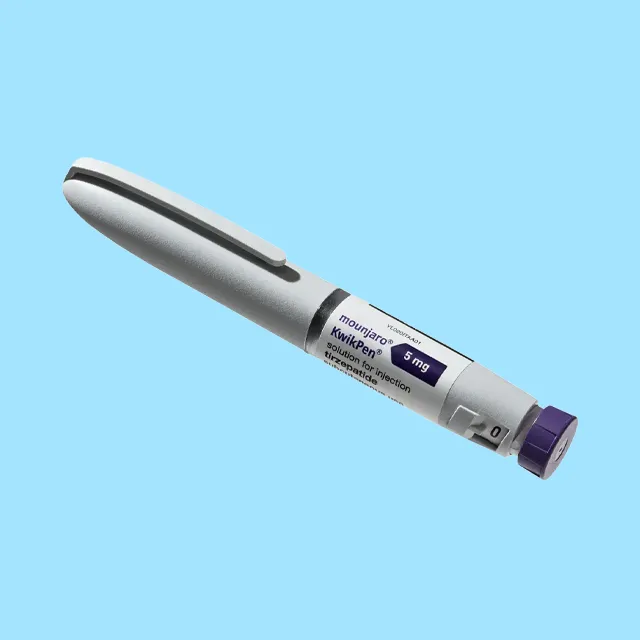
Medications
Why weight loss medication is long-term treatment, and what really happens if you stop
Stopping Wegovy or Mounjaro usually brings most of the weight back. Here is why it happens.

Well Revolution
August 26, 2026
Stopping Wegovy or Mounjaro usually brings most of the weight back. Here is why it happens.

Most people start a weight loss injection quietly hoping it will be temporary. Lose the weight, stop the medicine, move on. It is a completely understandable hope, and it is worth knowing from day one what the evidence says about it, because the pattern is one of the most consistent findings in modern obesity research: when the medication stops, most of the weight comes back, and the health gains go with it.
That is not a reason for despair, and it is definitely not a personal failing. It is how a chronic condition behaves. Understanding it early is the difference between a plan that works for years and a frustrating cycle of loss and regain.
Obesity was formally defined as a chronic, relapsing disease by the 2025 Lancet Commission, and the biology behind that label is well established. When you lose weight, your body does not celebrate. It responds as if food has become scarce: hunger hormones rise, fullness signals weaken, and energy use drops. Researchers measured these hormonal shifts a year after weight loss and found they were still active, still pushing towards regain.
Clinicians sometimes call this the set point: the weight range your body has learned to defend, anchored near your heaviest weight. Losing weight does not reset it. This is why people who have dieted hard their whole lives describe the same pattern of losing weight and regaining it plus a little more. Their bodies are not broken, and they are not weak. They are running ancient software in a modern food environment.
The medicines change the game because they act on the same appetite hormone system, turning down the signals that drive regain. But they only do that while they are in your system.
The withdrawal data across both medicines tells one story:
Notably, everyone in these trials also received ongoing lifestyle support with diet and exercise. Even with that support in place, stopping the medicine led to substantial regain for most people. Some individuals do hold their loss after stopping, and they tend to be people who have built strong eating, activity and sleep foundations, but they are the exception rather than the rule.
There is a hidden price to repeatedly losing and regaining weight. During weight loss, some of what you lose is muscle and bone, especially without enough protein and strength training. During rapid regain, what returns is mostly fat. Cycle through that a few times and you can end up at the same weight as before but with less muscle, weaker bones and a higher body fat percentage: worse off than when you started.
This is why we encourage members to treat starting medication as a considered, long-term decision, and to talk to us before stopping rather than after.
Here is the part that changes the conversation. Long-term treatment does not mean staying on the highest dose for life.
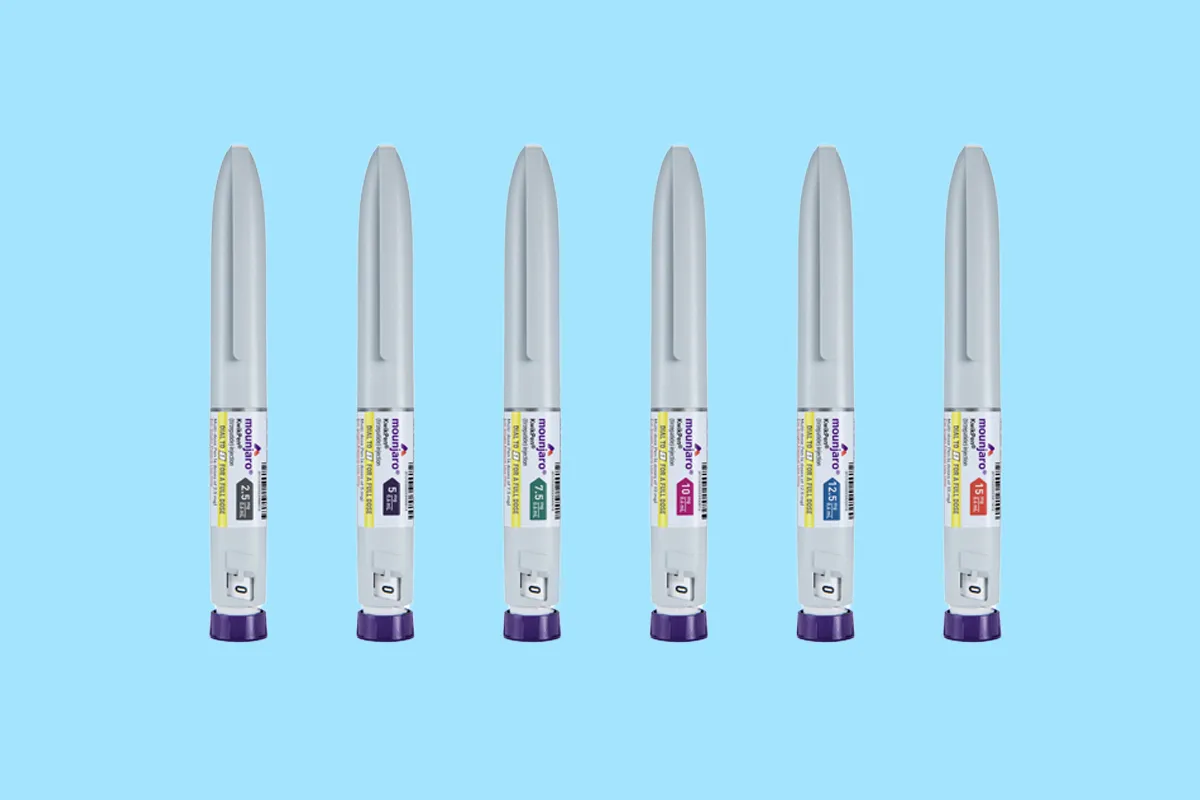
The SURMOUNT-MAINTAIN trial, published in The Lancet in 2026, was the first study designed specifically to test what happens after you reach your goal. People lost weight on tirzepatide for 60 weeks, then were randomised to continue their full dose, drop to a low 5 mg maintenance dose, or stop. A year later, those on the full dose were 21.9 percent below their starting weight, those on the reduced dose held 16.6 percent, and those who stopped were back to 9.9 percent below baseline, with two thirds of them regaining enough that the trial restarted their medication.
In other words: a lower dose held most of the result. Maintenance is now an evidence-backed phase of treatment, with room to tailor the dose to you. Some people also hold their loss with longer gaps between doses, guided by their prescriber.
And realistically, treatment is not frozen in time. Prices are shifting as more medicines reach the market, and new options are in development. The long-term plan you build today will have more choices in a few years, not fewer.
This article is general information, not personal medical advice. Decisions about starting, changing or stopping medication always belong with you and your prescriber.
Existing members: questions about your dose or your long-term plan? Log in at member.wellrevolution.com and start a priority chat.
Thinking about treatment? Start an online assessment with one of our NZ-registered doctors.
Concerned, need advice, a prescription, refill or referral?
Chat with a GP now