Medications
Reached your goal weight? How to reduce your dose without regaining
A lower dose can hold most weight loss. How the maintenance phase works, and how to plan dose reduction with your doctor.

Well Revolution
August 26, 2026
A lower dose can hold most weight loss. How the maintenance phase works, and how to plan dose reduction with your doctor.

For years, people on weight loss injections faced an uncomfortable question at their goal weight: is it maximum dose forever, or stop and watch the weight return? Clinicians quietly knew there was a middle path, because they were using it, but there was no trial to point to.
Now there is. And it says the middle path works.
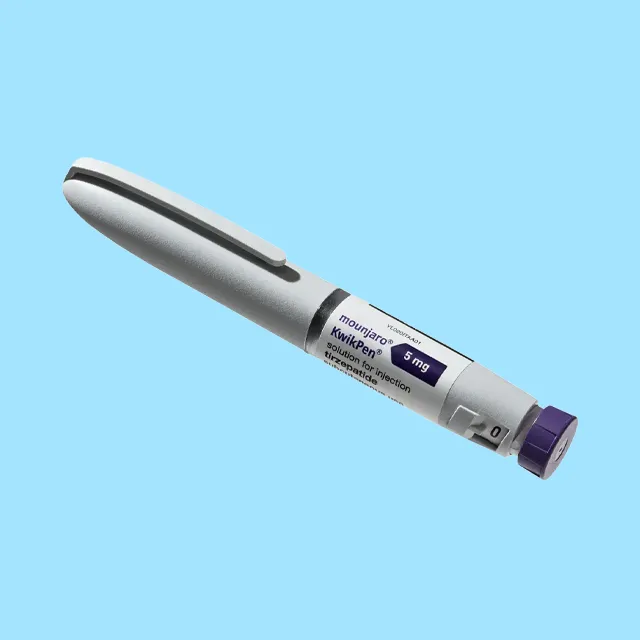
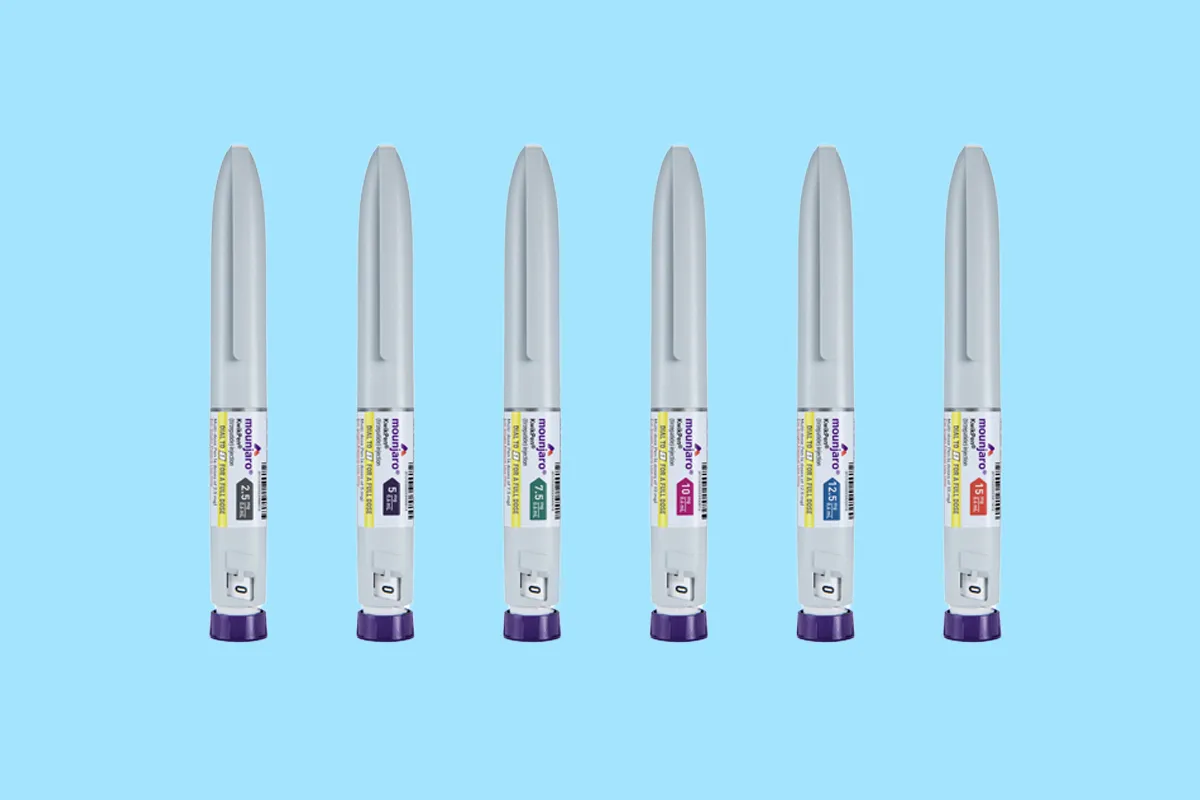
The SURMOUNT-MAINTAIN trial, published in The Lancet in May 2026, is the first randomised trial built specifically to test weight maintenance strategies. People with obesity took tirzepatide for 60 weeks, reaching their maximum tolerated dose (10 or 15 mg weekly). Then they were randomised three ways: continue the full dose, drop to a low 5 mg maintenance dose, or switch to placebo.
A year later:
Cholesterol, blood pressure and blood sugar improvements held in the treated groups and deteriorated with regain. Earlier trials had already shown the two ends of this spectrum, continuing works and stopping leads to regain for most people; SURMOUNT-MAINTAIN filled in the middle: a reduced dose preserves most of the benefit.
The formal trial used tirzepatide, but the principle, that maintenance needs less support than weight loss, matches long-standing clinical experience across these medicines, including semaglutide. Your own maintenance plan is always individual and belongs with your prescriber.
It helps to think of treatment as two phases with different goals:
Reaching goal weight is the transition between them, not the finish line. Obesity is a chronic condition; what changes at goal weight is the strategy, not the diagnosis.
Every plan is individual, but the guardrails we use look like this:
The single most protective habit in maintenance is reaching out early. Our rule of thumb: if you regain around 3 kilograms, get in touch. Not 10, not 15. Three.
Early regain is usually solvable, and often it is not even about the dose. Common findings at a 3 kg review: undereating that has slowed everything down, low iron or vitamin D, a rough patch of sleep, a stressful season, a new medication, or a habit drift that a food diary makes obvious. Sometimes the dose does need a nudge. Catching it at 3 kg means small corrections; waiting turns it into a restart.
In maintenance, the scale is one instrument in the dashboard, and not the most important one. Waist measurement, how your clothes fit, strength, energy, sleep quality, blood pressure and blood results tell you whether your new weight is doing its real job: a healthier, more capable life. That is the outcome the evidence says continued treatment protects, and it is the one worth organising your plan around.
For the full picture of the habits behind lasting results, see Getting the best results on Wegovy or Mounjaro, and for what happens with stopping altogether, see Why weight loss medication is long-term treatment.
This article is general information, not personal medical advice. Never adjust your dose on your own; maintenance planning is something we do together.
Existing members: at or near your goal weight? Log in at member.wellrevolution.com and start a priority chat about your maintenance plan.
New to Well Revolution? Start an online weight management assessment with one of our NZ-registered doctors.
Concerned, need advice, a prescription, refill or referral?
Chat with a GP now